Compare Local Contractors for Effective Site Leveling Solutions
Compare local contractors for site leveling to define scope, verify experience, and set clear expectations for a successful project.
Site leveling services typically involve adjusting the elevation of a property’s surface to create a stable, even foundation. This work can include removing high spots, filling low areas, and grading the land to ensure proper drainage and a flat surface suitable for construction or landscaping projects. Contractors may use a variety of tools and techniques to achieve the desired results, depending on the scope of the project and the condition of the land. Clear communication about the extent of the work helps property owners understand what is involved and ensures the project aligns with their needs.
Defining the scope of a site leveling project is essential for setting realistic expectations and avoiding misunderstandings. A well-detailed scope outlines the specific tasks to be performed, such as soil removal, fill placement, or grading, and clarifies any areas that are off-limits or require special attention. When scope details are documented in writing, it provides a reference point for both property owners and contractors, helping to prevent scope creep and ensuring that everyone has a shared understanding of the work to be completed.
Property owners can compare local contractors for site leveling by examining their experience with similar projects, verifying their reputation through references or reviews, and reviewing their process for scope definition. It’s helpful to ask potential service providers about their approach to assessing land conditions, how they plan to execute the work, and how they handle unexpected issues. By requesting detailed written proposals that specify the scope of work, property owners can more effectively evaluate which contractors are best suited to meet their project requirements and expectations.
Compare local contractors by outlining project priorities, verifying experience, and clearly defining scope and expectations.
- Compare Contractor Experience - review the background and project history of local contractors to ensure they have relevant site leveling expertise.
- Define Project Scope - clearly outline the specific leveling needs and expectations to communicate with potential service providers.
- Verify Credentials and References - check references and past work to assess the reliability and quality of local contractors.
- Document Agreements in Writing - ensure all project details, scope, and expectations are confirmed through detailed written agreements.

Before comparing contractors for site leveling, clearly describe your project scope and verify their experience.
- Verify experience and expertise in site leveling projects to ensure the contractor understands the scope of work. - Confirm that local contractors have a clear process for assessing site conditions before beginning work.
- Define the scope of work in writing, including specific leveling techniques and materials to be used. - Ensure all project details are documented to prevent misunderstandings during the job.
- Assess the contractor’s knowledge of soil types and site conditions that may affect leveling procedures. - Look for service providers who can evaluate site-specific factors impacting the work.
- Request detailed descriptions of the methods and equipment that will be used for site leveling. - Clarify the approach and tools to be employed to meet project expectations.
- Compare different local contractors based on their experience, scope clarity, and communication quality. - Use these factors to identify service providers capable of delivering the desired results.
- Ensure that all expectations and project details are documented in a formal agreement before work begins. - Proper documentation helps set clear responsibilities and reduces potential disputes.
Use site leveling to compare local contractors, clarify project scope, and set clear expectations.
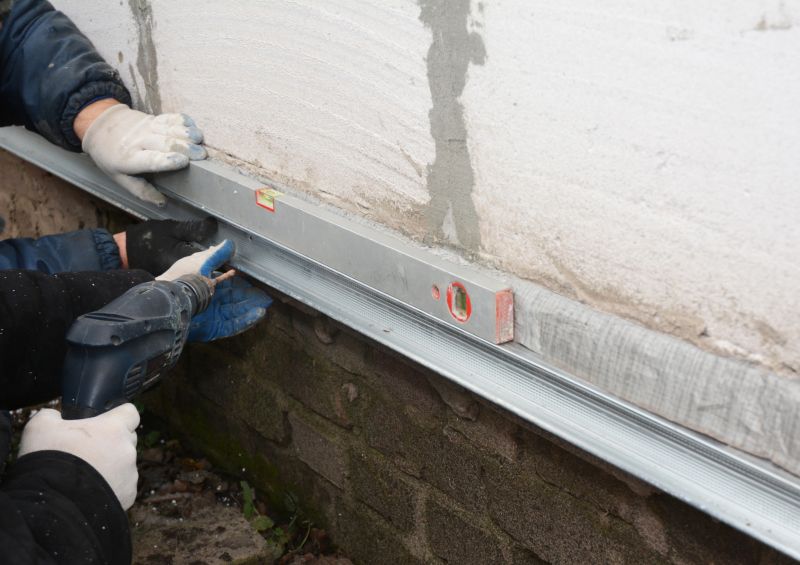
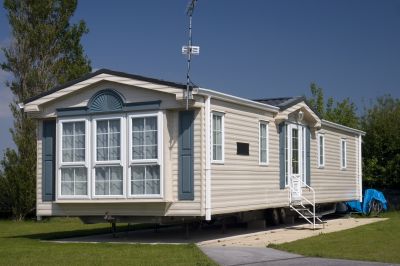
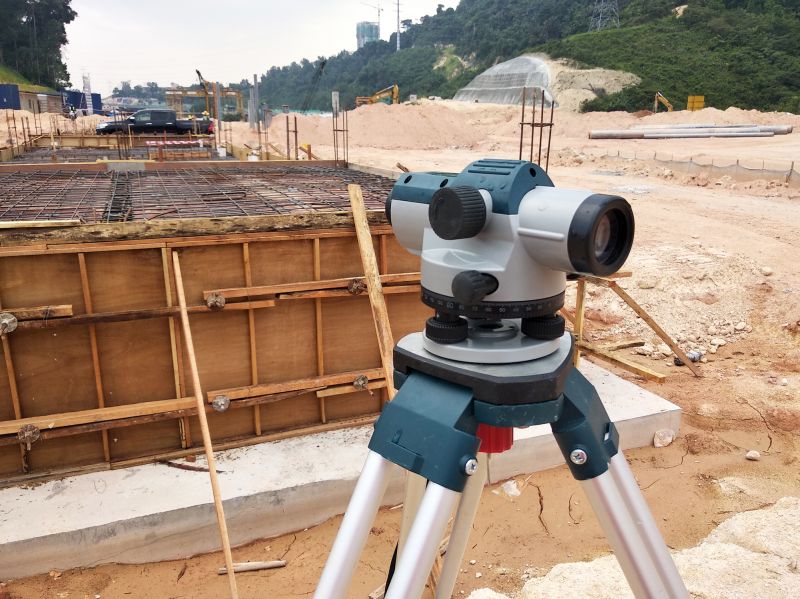
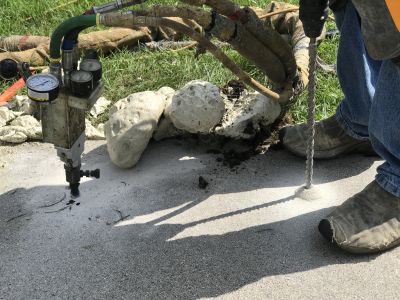
Compare local contractors’ scope definitions and experience to ensure consistent expectations across different service providers.
- Site Conditions Assessment - Clearly define the current topography, soil type, and existing grading to inform the scope of leveling work.
- Scope of Work Specification - Outline specific tasks required for site leveling, including areas to be leveled and desired final grades.
- Experience Verification - Confirm that local contractors have relevant experience with similar site conditions and leveling projects.
- Material and Equipment Requirements - Specify the tools, machinery, and materials needed to complete the site leveling effectively.
- Documentation and Expectations - Ensure all project details, scope, and expectations are documented in writing before work begins.
When comparing contractors for site leveling, it’s essential to consider their experience with similar projects. A contractor with a history of successfully completing site leveling tasks comparable in size and complexity can offer insights into their familiarity with local soil conditions and common challenges. Asking about past projects that resemble the scope of the current work can help gauge their expertise and confidence in handling specific site requirements. This background provides a clearer picture of their capability to deliver results aligned with the project's needs.
A clear, written scope of work is a critical factor when evaluating contractors. An effective scope should outline specific tasks, materials, and expectations, ensuring both parties have a shared understanding of what the project entails. When reviewing proposals, look for detailed descriptions that leave little room for ambiguity. This clarity helps prevent misunderstandings and sets the foundation for a smooth process, making it easier to compare different service providers based on the thoroughness and precision of their scope documentation.
Verification basics are vital for assessing the reliability of local contractors. While formal licensing or certification may not be discussed, it’s important to verify their reputation through references or reviews of previous work. Confirming that a contractor has completed similar projects successfully can provide reassurance of their competence. Additionally, inquire about their methods for ensuring quality, such as site inspections or adherence to industry standards, which can serve as indicators of their professionalism and commitment to delivering a dependable service.
Evaluating options without focusing on prices involves examining how well each contractor’s approach aligns with project expectations. Consider the level of detail in their scope, the clarity of their communication, and their experience with similar sites. Comparing how they plan to address potential challenges and their overall understanding of the work can help identify the most suitable service providers. Taking the time to review these aspects ensures that decisions are based on quality, expertise, and clear expectations rather than cost alone, leading to more informed choices for site leveling projects.
Ask for written scope details to ensure clear expectations and consistent understanding among service providers.
- Experience and Expertise - What specific experience do local contractors have with site leveling projects similar to this one?
- Scope of Work - How do contractors define and outline the scope of site leveling to ensure all necessary tasks are included?
- Methods and Techniques - What leveling methods and equipment do local service providers typically use for different types of terrain?
- Project Expectations - How do contractors clarify project expectations and deliverables in writing before beginning work?
- Comparison Points - What criteria should be used to compare the scope, approach, and experience of different local site leveling contractors?
How can I compare contractors for site leveling? To compare local contractors, review their experience, reputation, and the scope of services they offer to ensure they meet project needs.
What should I include in the scope of work for site leveling? Clearly define the area to be leveled, the desired levelness, and any specific site conditions or additional services required to set clear expectations.
How do I verify a contractor's experience? Ask for details about their previous projects, request references, and check their work history to ensure they have relevant experience with site leveling.
Why is it important to put project details in writing? Documenting the scope, expectations, and responsibilities helps prevent misunderstandings and provides a clear reference for both parties.
What questions should I ask potential contractors? Inquire about their experience, methods, equipment used, and how they handle unexpected site issues to assess their suitability for the job.
How can I ensure a contractor understands my project needs? Communicate your goals clearly, provide detailed site information, and confirm that the contractor has a plan aligned with your expectations before proceeding.
Understanding the essentials of site leveling services can help in making informed decisions when comparing local contractors. Visitors learned how to define the scope of their project, verify the experience of service providers, and set clear expectations in writing. This approach ensures a smoother process and helps find the right professionals for the job.
Using the quote form allows for easy comparison of available local contractors specializing in site leveling. It’s a practical step toward connecting with experienced service providers who can meet specific project needs, making it easier to explore options and find the best match for your site preparation requirements.